
Ampersand Gazette #108
Welcome to the Ampersand Gazette, a metaphysical take on some of the news of the day. If you know others like us, who want to create a world that includes and works for everyone, please feel free to share this newsletter. The sign-up is here. And now, on with the latest …
&&&&
An Overlooked Prescription for Happiness
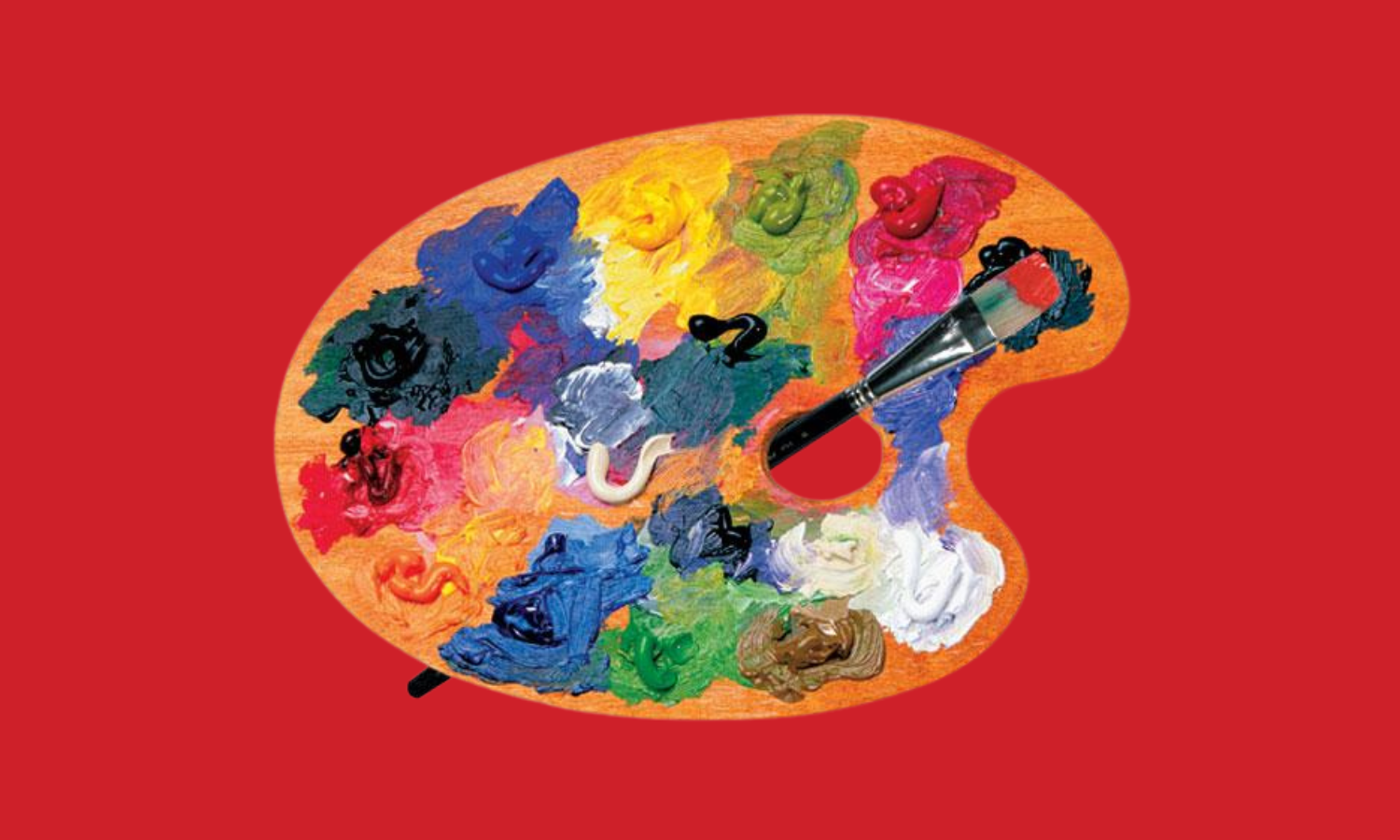
I have a number of crafty co-workers here at Well. Some crochet, some knit, so we’ve decided to get together once a month to craft. I plan to do a paint-by-number kit.
Crafting is good for our health, said Daisy Fancourt, a professor of psychobiology and epidemiology at University College London. She has been studying the effect of the arts on people’s health for 15 years.
That includes, she said, crafting but also performing arts such as dance and ballet, visual arts such as painting, and the literary arts, like reading novels or poems. Culinary arts such as baking bread count too, and so does going to cultural spaces like museums.
Research suggests that experiencing art and creativity, even for a few minutes a day, has tangible effects on our mental and physical health. Doing so helps slow cognitive decline, reduces the risk of heart disease and increases well-being as we age. Reading books, for example, is linked with living longer.
Dr. Fancourt calls engaging in the arts “the forgotten fifth pillar of health,” alongside diet, sleep, exercise and nature. Yet, we have reduced it to a form of entertainment, she writes in her new book, “Art Cure: The Science of How the Arts Save Lives.”
And you don’t have to be good at any of these things to reap the health benefits, she added. All you have to do is take part. She shared some advice on how to add regular doses of the arts into your life.
Look for inexpensive events in your community.
Creative pastimes don’t have to be costly. If you have museums or other cultural institutions near you, see if they offer any hours free of charge. A church in your area may host instrumental or choral performances, and often they are free or low-cost. See plays or concerts put on by the local high schools. Explore community theater.
Slip some arts into your social life.
If you tend to meet friends for drinks or dinners, try swapping that activity for something arts-based. Mindful coloring, or an “informal book club” with friends. They set a time and place for dinner and agree on a book to read before they meet. Then they spend a few minutes chatting about the book. This ritual is simple, easy and gives her “extra motivation to read,” she said.
Set a creative challenge for yourself.
Set a “fun rule for the year” around the arts. Make your own greeting cards for people instead of buying them. Or, every night, she said, read a poem. If you commute to work by using public transportation, throw a book into your bag.
Bring your art home.
The more engaged in the arts you are, the more health benefits you will have. Stream live recordings or, check out art books from your library and page through them at home. Try new dance moves or new recipes at home, too.
Remember that it doesn’t need to be good— ust that you showed up and did it.
Excerpted from a Well article by Jancee Dunn in The New York Times
“An Overlooked Prescription for Happiness”
February 6, 2026
I could have told you years ago that the arts were good for your health. It’s nice to see that formal sciences are catching up with human experience. Everyone I know who does some art form in their lives is benefited by it.
Often, that benefit is simply sitting with your own thoughts and feelings. Sure, you can have the television on or the radio or music when you’re making art, but most often I hear that those who make art do it in silence—the better to hear the creativity of their own souls.
I think it’s time we got over ourselves and our dreadful habit of segregating creativity. I hear it all the time.
I’m not talented like so-and-so.
I’m not creative—so-and-so is creative.
I’m no singer, not like Streisand.
No, darling, almost no one sings like Streisand, but that doesn’t mean you shouldn’t sing—especially if you enjoy it.
I think that’s how you find your own best art—it’s what you enjoy. It’s the thing you do that makes you lose track of time. It’s what inspires you, makes you remember why you’re alive, helps you stay happy and healthy.
And if you can only do it every other Saturday for two hours because of the way your life is set up, so be it. Just do it. And on the other thirteen days, find ways to daydream about it, or keep notes about it, or sing a new melody into your voice messages on your phone. Touch it—touch your art every day.
One of the things I learned early on in my fiction-writing was that I needed always to be in the middle of a book. How that translates is: I finish one, and I don’t consider it really done until I’ve written close to the whole first chapter of the next book. That way I’m always in the middle. Which means: that I never, ever have the excuse that I don’t know where to begin. I’ve already begun. I never stop writing at the end of a chapter either; I always start the next one, even if it’s only one sentence.
Let me remind you that it’s those who do their art—no matter how “good,” or not, it is. It’s the doing that gives you the blessing.
There’s a button on my fridge that I was given as a junior in college. It reads: You Gotta Have Arts. It’s true, and it’s even good for you when it’s your own.
&
“I’m storytelling, and they’re all listening.
That is theater in a sentence, isn’t it?”
Lesley Manville, who plays Jocasta, Oedipus’ wife in the latest production,
The New York Times, 2.1.26
The Question:
How can I become the star in my own life?
&mpersand Answers:
Oh, dear one, you absolutely are the star in your own life, and if you’re not, who have you cast in the starring role?
There’s a biblical phrase for that which says it all: false idol.
No one can truly be at the center of your life but you.
Now, where we humans get in trouble is when we take this fact, and turn it into a proof-text, namely:
You are absolutely the center of your own universe,
But you are not the center of the known universe.
Convenient how that rhymes, isn’t it?
When you know that you are the headliner in your own life, then you’re in charge of the storytelling which is how we create meaning in our lives.
The center of the known universe is a much bigger issue for another day.
So, g’head, Star, tell your story. I’m listening.
&
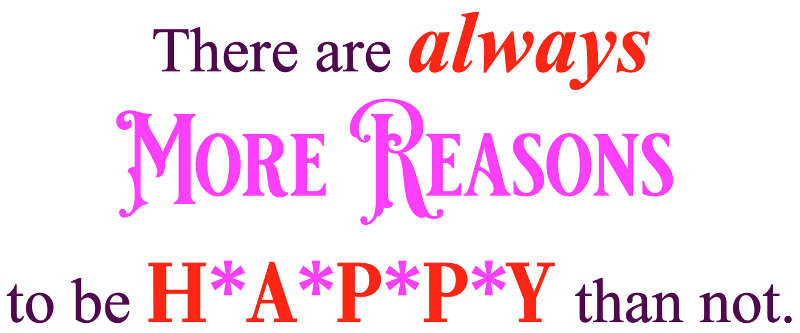
Here’s a universal affirmation. It works every time, for everyone, always and forever …
&
So, the good Dr. Seuss, or his minions, are MIA. I’m going into the anapestic tetrameter business this week.
Now, I’m no Theodore Geissel, but my brain is just dandy at the assignments I give it, and yes, Virginia, that really is what this is—an assignment.
I will not sit before a blank page and sweat out anapestic tetrameter. That would be a thorough waste of time.
What I will do is give my brain an assignment. I’ll re-read the You-er than you quote from Dr. Seuss, and ask specifically that my brain deliver a similar but different enough poetic treatment to let my readers know that I meant to imitate the good doctor.
And then I’ll wait. I won’t push. I won’t pull. I won’t fuss.
Instead, some day soon, I’ll wake up one morning, and the verse will arrive full-blown in my mind like Athena from the forehead of Zeus. Now I might sit with it for a day or so afterward, and I might tweak it, but, principally, it will arrive complete.
Because I learned a long time ago to let my mind do what my brain cannot.
I’m still thinking of starting this book off in a different way than I ever have before—on my YouTube Channel, reading a couple of chapters a week. No, not the perfect of an audiobook, instead the imperfect of a bedtime story read aloud.
We’re still reading two chapters of Jaq Direct every day, or as often as we can. It’s sheer joy to hear it read aloud. The series will be complete when I publish this last volume—the rest of Jaq’s story.
Will I write more about the Lovelies? Their descendants? Or another speculative fiction series set in a linguistic different time from our current one. Creativity is its own marvel, and as I keep showing up at the page, as Julia Cameron would say, I’m sure it will be revealed.
Please make this indie author happy. Choose one of my series, and read all of them. Then review all of them. That’s the way others find books.

&
Special Request:
Send me your spiritual questions please. As of now, which I’m sure you’ve noticed, I’m posting &mpersand Answers twice a week.
&
What’s your creative process? Now that I’ve written it in black and white, is the question clear? What I mean by it is: What do you do to prepare yourself for creating something? In this case, to write.
Do you know the steps that put you into that headspace? FWIW, most of us don’t. Enter the best writing coach and teacher, not to mention editor, I’ve ever met.
Tony Amato, yes, my lawfully wedded—but he wasn’t always—is a one-stop shop. He’s helped more LGBTQ+ authors, as well as others, get clear on the best way to tap into their creativity, discern their own processes, learn their craft, and come up with stellar projects. Find Tony Amato, who has been nurturing authors for more than thirty years, here.
It doesn’t matter what the creative format is. He has done and can do them all. Oh, and here’s his substack Subscribe here. Also, remember that the next Body Double, the once-a-month writing workshop he facilitates, is February 19th. Write to Tony here.
&
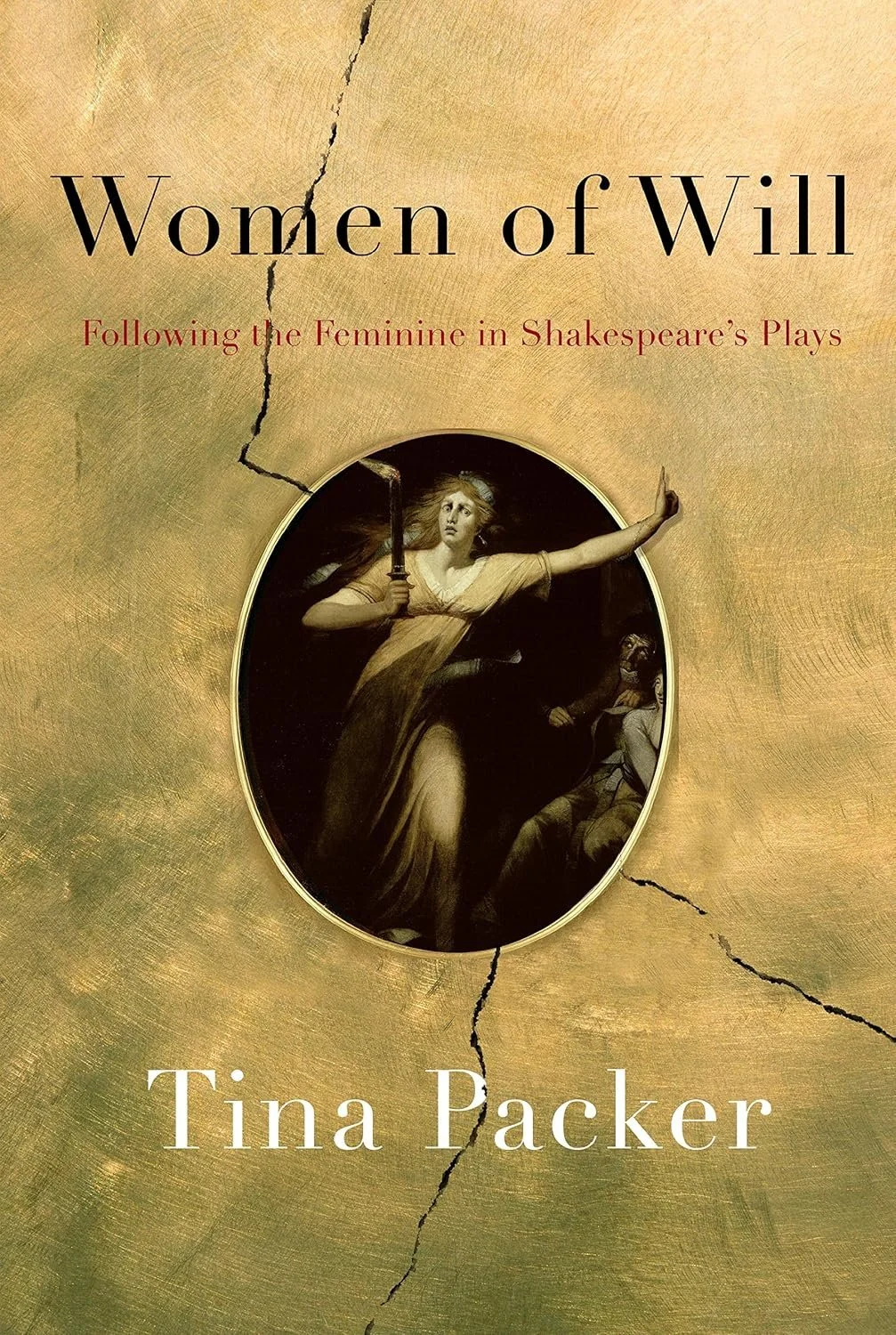
As part of my Mex Mysteries research, I am reading Women of Will: Following the Feminine in Shakespeare's Plays by Tina Packer
Here’s what the blurb says:
“From one of the country’s foremost experts on Shakespeare and theatre arts, actor, director, and master teacher Tina Packer offers an exploration—fierce, funny, fearless—of the women of Shakespeare’s plays. A profound, and profoundly illuminating, book that gives us the playwright’s changing understanding of the feminine and reveals some of his deepest insights. Packer, with expert grasp and perception, constructs a radically different understanding of power, sexuality, and redemption.
“As Packer turns her attention to the extraordinary Juliet, the author perceives a large shift. Suddenly Shakespeare’s women have depth of character, motivation, understanding of life more than equal to that of the men; once Juliet has led the way, the plays are never the same again. And, wondering if Shakespeare himself fell in love, the author observes that from Juliet on, Shakespeare writes the women as if he were a woman, giving them desires, needs, ambition, insight.”
Tina Packer died quite recently. Her obituary reminded me that I’d seen her perform Women of Will, and been intrigued by it then. I wondered what a book of the same information might offer. Gold, sheer 24 karat gold.
Whether you like her chops or not, (and I didn’t) Tina Packer knows her Shakespeare, and especially knows his women. Her insights, gained over more than thirty years of work with the canon, prove their own worth. Brilliant, deeply moving, her prose left me wanting more. I was especially intrigued by the research she’d done into Aemilia Bassano, she who is alleged to be Will’s Dark Lady. It made me want to get to writing my next Mex: Shrew This!
&
Are you waiting for a sign?
How about this one?
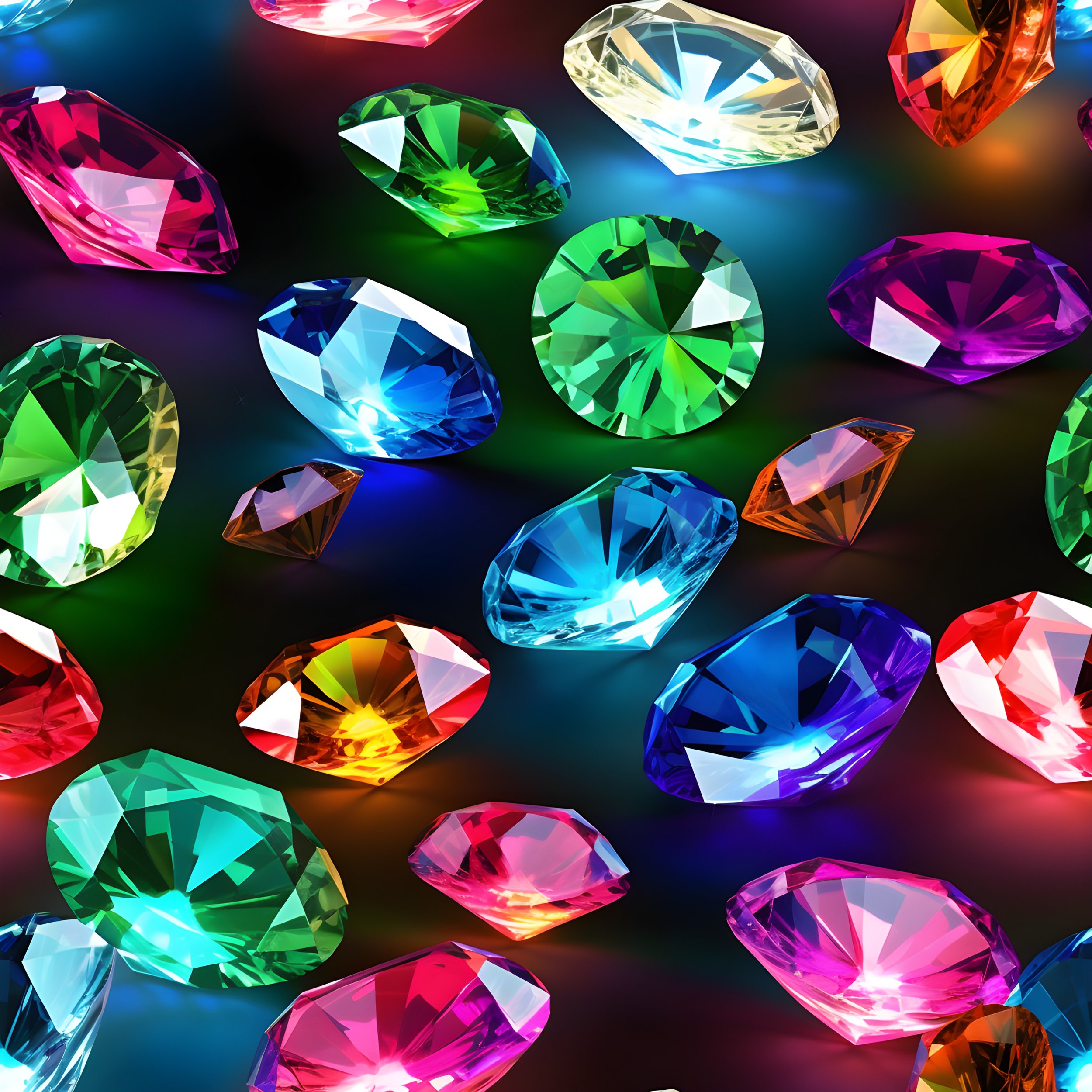
You are a precious gem,
a facet of the Divine.
Have you ever thought of yourself this way?
One of the metaphors
I use for imagining Divinity
is as the
Biggest Diamond
in the world.
What makes diamonds so magical
is their facets.
That’s where you and I
come in.
What if we really are, each one,
a facet of the Divine?
Do you think of yourself that way?
Do you treat yourself that way?
Do you appreciate yourself that way?
Start now, Belovèd,
because you are a facet
in the
Biggest Diamond
in the world,
and even if you can’t see it,
the rest of us can.
&
I am, without doubt, certain that And is the secret to all we desire.
Let’s commit to practicing And ever more diligently, shall we?
Until next time,
Be Ampersand